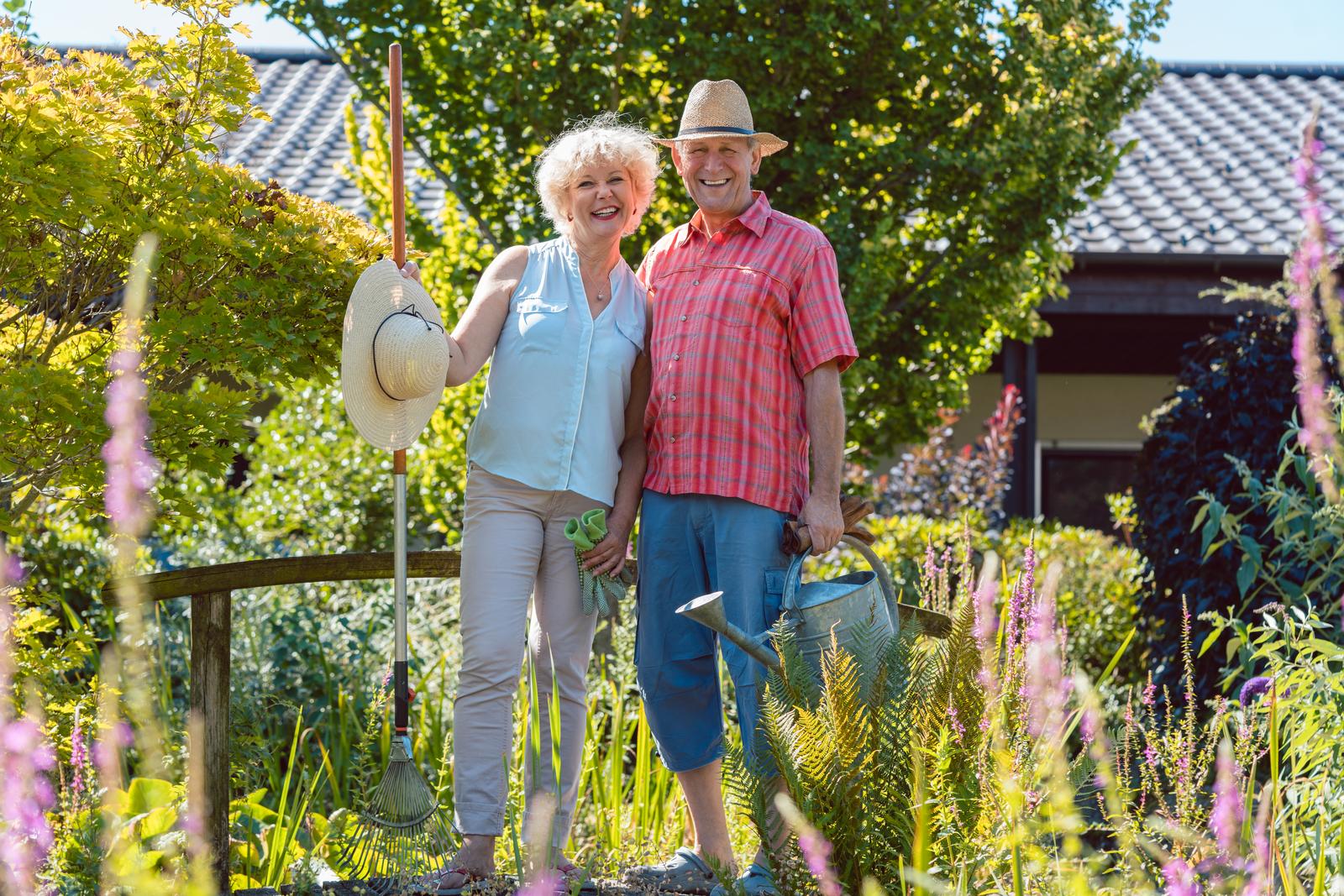
The best hobby is ultimately one that brings enjoyment and fits comfortably into everyday life. You do not need to choose just one activity. A person might spend Monday gardening, join a book club on Wednesday, take photographs on Saturday, and spend quiet evenings listening to music.
Hobbies can make retirement and later life more interesting by creating opportunities to learn, create, connect, and explore. The goal is not productivity or perfection — it is finding activities that make life more enjoyable and meaningful.
Hobbies for seniors are not simply ways to fill an afternoon. They can encourage creativity, movement, learning, social connection, and a greater sense of purpose. Whether someone prefers quiet activities at home or enjoys getting out into the community, there are hobbies to suit almost every personality and ability level.
Gardening and Growing Plants
This is a popular hobby because it combines gentle physical activity with the satisfaction of watching something grow. Getting one’s hands dirty is an added pleasure! Growing herbs such as basil, oregano, thyme and rosemary on a windowsill can provide a portal to incredible tomato sauce; fresh herbs come alive in the heat.
Reading and Book Clubs
Reading is an excellent hobby for seniors. It stimulates the brain and provides hours of quiet enjoyment. Joining a book club can add a social element. Discussing a novel with others encourages conversation and can introduce readers to authors and subjects they might not discover on their own. For seniors who have difficulty reading print, audiobooks and large-print editions can make the experience more accessible.
Arts and Crafts
Creative hobbies are relaxing and rewarding. Painting, drawing, knitting, crocheting, quilting, woodworking, photography, and jewelry making are just a few possibilities. These items can also be meaningful gifts for loved ones to cherish for decades to come.
Nature Activities
Birdwatching, for example, requires relatively little equipment. A pair of binoculars and a bird-identification guide can be enough to begin. Smartphone apps can also help identify birds and record observations. This activity provides a reason to be outdoors in the fresh air and sunshine, while connecting with nature and gaining a deep insight into Life.
Cooking and Baking
Cooking can be a creative hobby as well as a practical one. You might experiment with recipes from different cultures, learn to bake bread, prepare seasonal dishes, or recreate favorite family recipes.
Another enjoyable project is creating a personal recipe collection. Family recipes can be written down, photographed, and organized into a digital or printed cookbook. This can preserve memories and traditions for future generations. A Cooking Journal, gifted to a child relative could become a valued heirloom for generations. Imagine a great-grandchild reading grandma’s or grandpa’s recipe for a favorite family dish and comments about its history and evolution – maybe from the Old Country!
Learning Something New
It is never too late to learn. Seniors can explore subjects such as history, languages, music, computers, astronomy, art, or genealogy. Online learning platforms and public libraries offer easy-to-use resources. Genealogy can be particularly engaging for people interested in family history. Researching relatives, organizing photographs, and documenting family stories can become a long-term project.
Music and Singing
You might learn an instrument. Many are easy for beginners and provide hours of enjoyment and brain stimulus. Senior centers may offer group singing opportunities.
Puzzles, Games, and Strategy
No matter what your choice, technology has expanded the accessibility available. You can find digital versions of many traditional games, participate in online communities, or play with relatives who live in different locations.
Volunteering as a Hobby
Volunteering can involve tutoring, reading to children, helping at an animal shelter, supporting a community organization, assisting at a museum, or contributing professional skills to a nonprofit.
Resources
AARP — Offers articles, programs, and ideas related to hobbies, learning, travel, and community involvement.
National Institute on Aging (NIA) https://www.nia.nih.gov
Provides information about healthy aging, staying active, social engagement, and maintaining independence.
Public libraries — Often provide free books, digital media, classes, clubs, technology assistance, and community events.
Local senior centers and recreation departments — May offer exercise programs, arts classes, games, trips, and social activities.
VolunteerMatch — https://www.idealist.org/volunteermatch
Can help people explore volunteer opportunities based on interests and location.
Local community organizations — Churches, nonprofits, parks departments, museums, and community colleges may offer classes and activities for older adults.